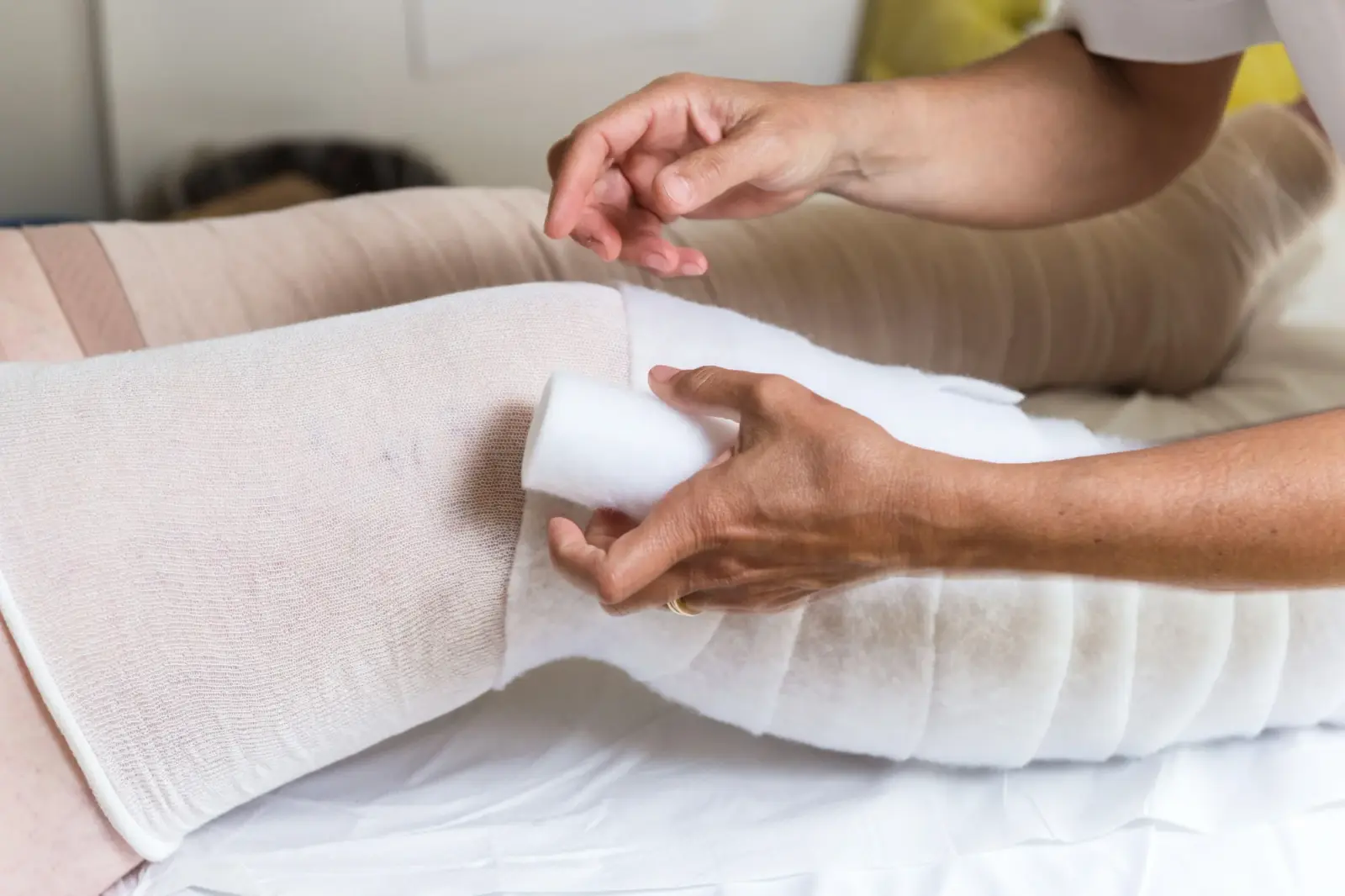
Manual Lymphatic Drainage (MLD)
Quick Definition: What is Manual Lymphatic Drainage (MLD)?
A highly specialized, light-pressure clinical massage technique designed to stimulate the contractility of lymphatic vessels and reroute fluid.
Clinical Overview & Pathophysiology
Manual Lymphatic Drainage (MLD) is fundamentally different from traditional massage. It utilizes specific, light, rhythmic hand strokes to gently stretch the skin and stimulate the superficial lymphatic structures underneath. This mechanical stretching accelerates the rate at which the initial lymph collectors contract (increasing transport capacity up to 10-20 times). By clearing path bottlenecks, MLD diverts fluid away from congested regions into fully functional lymphatic basins. It is widely used to manage swelling, accelerate surgical recovery, and relax the nervous system.
Common Indicators & Symptoms
- Accelerated postoperative recovery (reduces edema and speeds bruising recovery)
- Effective reduction of acute swelling from orthopedic injuries or plastic surgery
- Symptom relief for chronic lipedema and early-stage lymphedema
- Deep activation of the parasympathetic nervous system for stress reduction
Clinical Application Protocols
MLD sessions are customized based on the patient's pathology. For post-surgical healing, gentle drainage is mapped along the borders of incision sites. For lymphedema management, healthy lymph node clusters (like the armpit or groin) are cleared first to create a vacuum effect that pulls fluid from congested limbs.
Clinical References & Research Citations
In alignment with our clinical care framework, this guide is referenced against external, peer-reviewed medical publications: